

A college open day can be far more useful than a quick walk around campus. Used well, it gives prospective students a chance to test whether a university, academic program and student environment actually fit their goals.
The source YouTube Short for this article was published by Alvernia University in October 2022 to promote a “Four College Day.” The event was designed to connect visitors with faculty, current students and alumni and to provide program-specific information. That event has already passed, but the core idea remains useful: a campus visit works best when students actively gather information rather than simply look around.
Watch the source YouTube Short
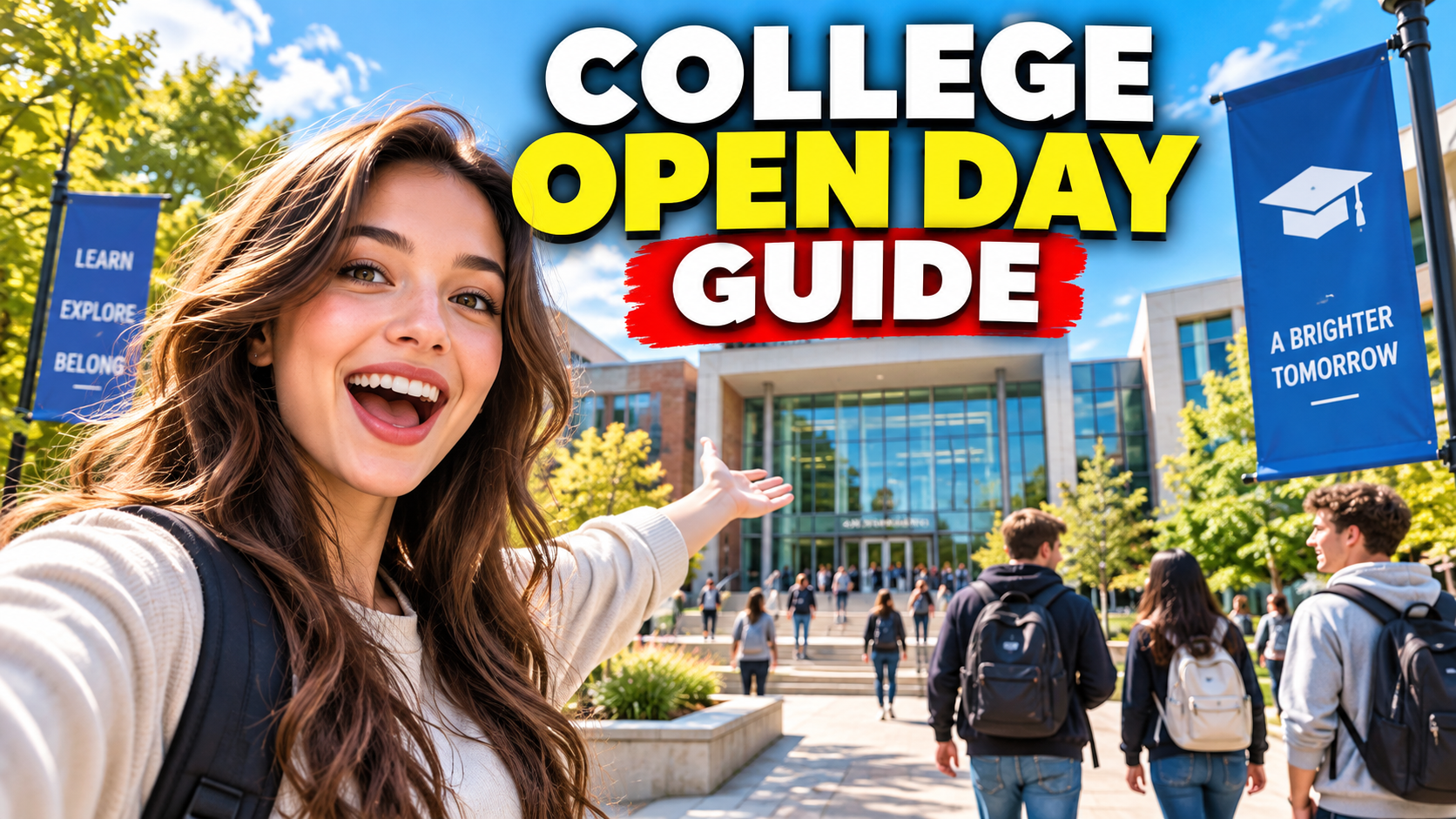
What Was Four College Day?
According to the original 2022 video description, Four College Day was scheduled for October 22, 2022, from 12:00 PM to 4:00 PM.
The visit was intended to create an interactive experience with faculty, current students and alumni. It also promised program-specific information so prospective students could understand the academic possibilities within their chosen major.
Because that date has passed, students should not use the old event information as a current registration notice. Instead, the video is best treated as an example of the kind of questions and interactions that can make a college visit valuable.
Why a College Open Day Matters
A university website can tell you about degree names, facilities and entry requirements. An open day adds something different: direct observation.
During a strong campus visit, you may be able to see how students interact, how accessible faculty members are, what academic spaces actually look like and what questions other prospective students are asking.
Current Alvernia University visit information reflects this broader purpose. Its open houses and visit programs are designed to let prospective students explore academics, admissions, student services and campus life while meeting people from the university community.
That makes an open day useful for three different decisions:
- Is this university environment right for me?
- Is this academic program right for me?
- Can I realistically see myself studying and living here?
Before the Open Day: Prepare With a Purpose
Do not arrive with only one question: “Is this a good university?” A better approach is to decide what evidence you need.
Before attending, write down your priorities. These may include:
- Your intended major
- Career pathways
- Teaching style
- Internship or placement opportunities
- Class sizes
- Academic support
- Campus facilities
- Student clubs and activities
- Housing
- Financial aid
- Accessibility services
- Transport
- Campus safety
- Study-abroad opportunities
Then turn each priority into a question. Instead of asking “Is the program good?”, ask questions such as “What kinds of projects do first-year students complete?”, “How often do students interact directly with faculty?”, “What internship or placement opportunities are typical?” and “What support is available if a student struggles academically?”
Questions to Ask Faculty
Faculty conversations can provide information that is difficult to obtain from a brochure.
- What makes this program different from similar programs at other universities?
- What are the most challenging first-year subjects?
- How are students assessed?
- Are classes mainly lectures, seminars, labs, projects or practical sessions?
- What opportunities exist for research, internships or field experience?
- What skills do successful students usually develop?
- How often can students meet lecturers outside class?
- What career paths do graduates commonly pursue?
- Are there professional accreditation requirements?
- What changes are being made to the curriculum?
The goal is not to collect impressive claims. The goal is to understand how the program actually works.
Questions to Ask Current Students
Student conversations can reveal the day-to-day experience of university life.
- What surprised you most after enrolling?
- What is the workload really like?
- How easy is it to get academic help?
- What do students usually do between classes?
- Are campus activities active or mostly promotional?
- How easy is it to make friends?
- Which facilities do students actually use most?
- What would you change about the university?
- What do you wish you had asked before enrolling?
Try to speak with more than one student. One person’s experience should not be treated as representative of everyone.
Questions to Ask Admissions Staff
Admissions teams can clarify the practical side of applying. Ask about:
- Application deadlines
- Required documents
- Entry requirements
- Transfer-credit policies
- Financial aid processes
- Scholarship rules
- Deposit deadlines
- Housing deadlines
- International-student requirements
- Orientation
Write down the answers. Open days can involve a lot of information in a short period, and details are easy to forget.
Look Beyond the Main Tour
A guided tour usually shows the university at its best. That is useful, but students should also observe the spaces between the highlights.
- Study spaces
- Library activity
- Labs or specialist facilities
- Dining areas
- Student support offices
- Accessibility
- Walking distances between buildings
- Public transport access
- Residence halls if available
- General campus atmosphere
Ask yourself whether these spaces fit your real daily needs, not just whether they look attractive in photographs.
Compare Academic Programs, Not Just Campuses
A beautiful campus is not enough if the program does not match your goals.
During the visit, compare course structure, required modules, elective choices, practical experience, industry links, research opportunities, faculty expertise, graduate pathways and professional accreditation where relevant.
If you are choosing between several universities, use the same questions at every open day. This makes comparison more objective.
Pay Attention to Student Support
Academic ability alone does not determine university success. Look for information about:
- Academic advising
- Tutoring
- Writing support
- Counseling
- Disability and accessibility services
- Career services
- Financial support
- International student support
- Mental health services
- Peer mentoring
Do not wait until a problem occurs to learn whether support exists.
How Parents or Family Members Can Help
Family members can be useful during a visit, especially because they may notice details the student misses. A helpful role is to take notes, ask financial or logistical questions, observe the environment and help compare institutions later.
However, the prospective student should still lead the decision. They are the person who will attend classes, complete assignments and live the university experience.
What Not to Do at a College Open Day
- Spend the entire visit taking photos
- Ask only questions already answered on the website
- Choose a university based only on appearance
- Treat one student’s opinion as universal
- Ignore cost and financial-aid details
- Fail to visit the academic department
- Forget to ask about support services
- Leave without notes
- Assume an old event page is still current
- Make a final decision while still emotionally excited from the visit
A good campus visit should produce useful evidence, not simply a positive feeling.
After the Visit: Review What You Learned
Within 24 hours, write down your impressions while they are still fresh. Create a simple comparison covering academic fit, campus environment, faculty interaction, student experience, support services, cost, location, housing, career opportunities and questions still unanswered.
Then identify what still needs verification. You may need to email admissions, contact an academic department, compare financial-aid information or schedule a second visit.
Current Alvernia Visit Options
The original Four College Day video is historical, but Alvernia University continues to offer visit opportunities for prospective students.
As of September 2026, its official undergraduate visit information lists options including campus visits, information sessions, open houses and shadow visits. The university describes open houses as opportunities to learn about admissions and academics, meet faculty, staff and current students, explore student services and academic departments, and participate in campus tours.
Because dates and event details change, always use the university’s current official admissions pages rather than an old YouTube registration link.
Check current Alvernia University undergraduate visit information
Related Study Information
If you are also exploring health-science degree options, this separate study-information link from the original page has been retained:
Key Takeaways
- The source Four College Day event took place in October 2022 and should not be presented as an upcoming event.
- The most useful part of an open day is direct access to faculty, students, admissions staff and academic information.
- Prepare questions before you arrive.
- Compare academic programs, not only campus appearance.
- Speak with multiple students when possible.
- Investigate support services and practical costs.
- Take notes so you can compare universities later.
- Confirm all current event dates and registration details on the university’s official website.
Frequently Asked Questions
What is a college open day?
A college or university open day is an event where prospective students can explore a campus, learn about academic programs and admissions, and often meet faculty, staff and current students.
Is the Four College Day in the video still available?
The specific event promoted in the source video was scheduled for October 22, 2022, so that event has passed. Current Alvernia visit opportunities should be checked through the university’s official admissions website.
What should I ask at a university open day?
Ask about course structure, teaching style, internships, academic support, career pathways, admissions requirements, financial aid, housing and student life.
Should parents attend a college open day?
They can be helpful for note-taking, financial questions and observation, but the prospective student should remain central to the decision.
How many universities should I visit?
There is no fixed number. Visit enough institutions to compare realistic options, especially universities that differ in size, location, cost or academic structure.
Can an open day tell me whether I should enroll?
It can provide useful evidence, but it should be combined with research on curriculum, costs, admissions, financial aid, outcomes and personal priorities.
What if I cannot attend in person?
Check whether the university offers virtual tours, online information sessions or one-to-one admissions appointments.
What should I do after an open day?
Review your notes, compare your priorities, verify unanswered questions and follow up with admissions or the academic department if necessary.
Conclusion
The 2022 Four College Day Short is brief, but its underlying message is useful: university visits are most valuable when prospective students interact directly with the people who teach, study and support the academic experience.
A strong open day should leave you with more than photos. It should give you information you can compare, questions you can investigate and a clearer understanding of whether a university and program fit your goals.
Use every visit as a research opportunity. Ask specific questions, take notes, verify current information and make your decision only after comparing the evidence.
